
What should I do about my brother who's in a coma? Is he still himself? How can I help him? Should I take him off life support?
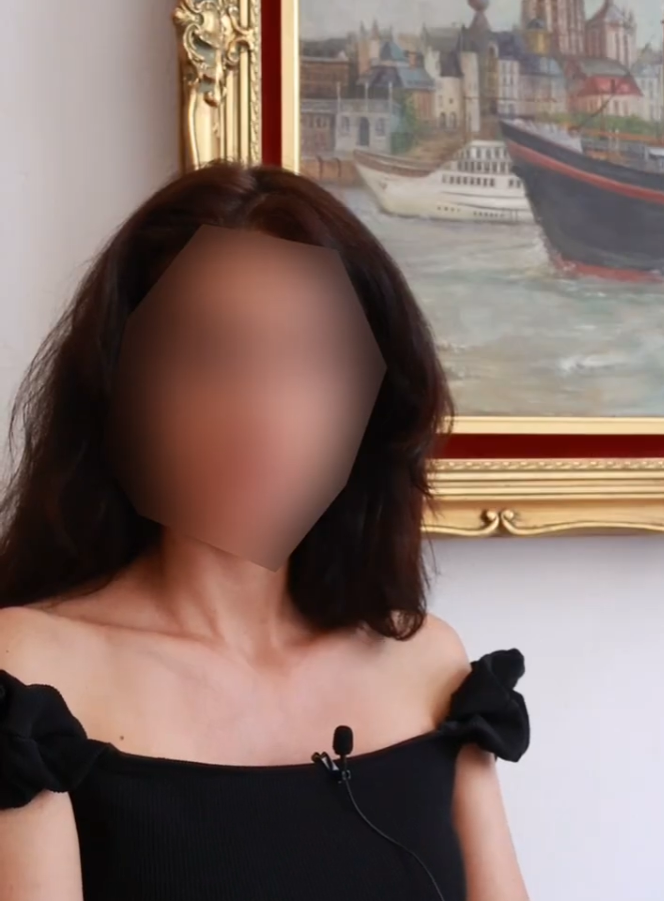
Alžběta and her brother, who was in a coma, spoke with Oleg Vojtíšek
Our job is to tell the stories of people’s lives. To celebrate them, pass on their messages, and help with saying goodbye. But for today’s episode, we’re struggling to find the right words.
It's about someone who is no longer alive, but isn't quite dead yet.
Alžběta’s brother was a handsome, young man with his whole life ahead of him. A single second and a fall at a construction site changed everything. Since that day, Alžběta has thought of nothing else but how to help her brother. At first, it was about saving him—and, in a way, a miracle. It was about finding the best of the best. Because when your skull is in one hospital and your body is in another, you’re teetering on the edge of the unimaginable.
But his desperate struggle for life gradually turned into the opposite: a struggle over how to end his life so he would no longer suffer. Unfortunately, a young, healthy body is unlikely to give out on its own.
Is it even possible to find hope in such darkness?
What is it like to stand face to face with the empty eyes of a loved one staring at you?
And how is it possible that keeping someone in this condition costs the government millions of crowns a month, yet insurance companies refuse to cover home care, which is slightly less expensive?
Sharing such painful stories helps not only the family, but also everyone who finds themselves—or may one day find themselves—on the brink of a similar abyss. We are therefore immensely grateful to Alžběta for opening the door to a story full of tragedy and systemic absurdities, but also of incredible strength and reconciliation.
Warning: The details of the accident discussed in the podcast are not suitable for the faint of heart.
What is it like when someone comes to inform you of the death of a loved one? The person who rings your doorbell might be police crisis intervention specialist PhDr. David Ondráček, MBA.
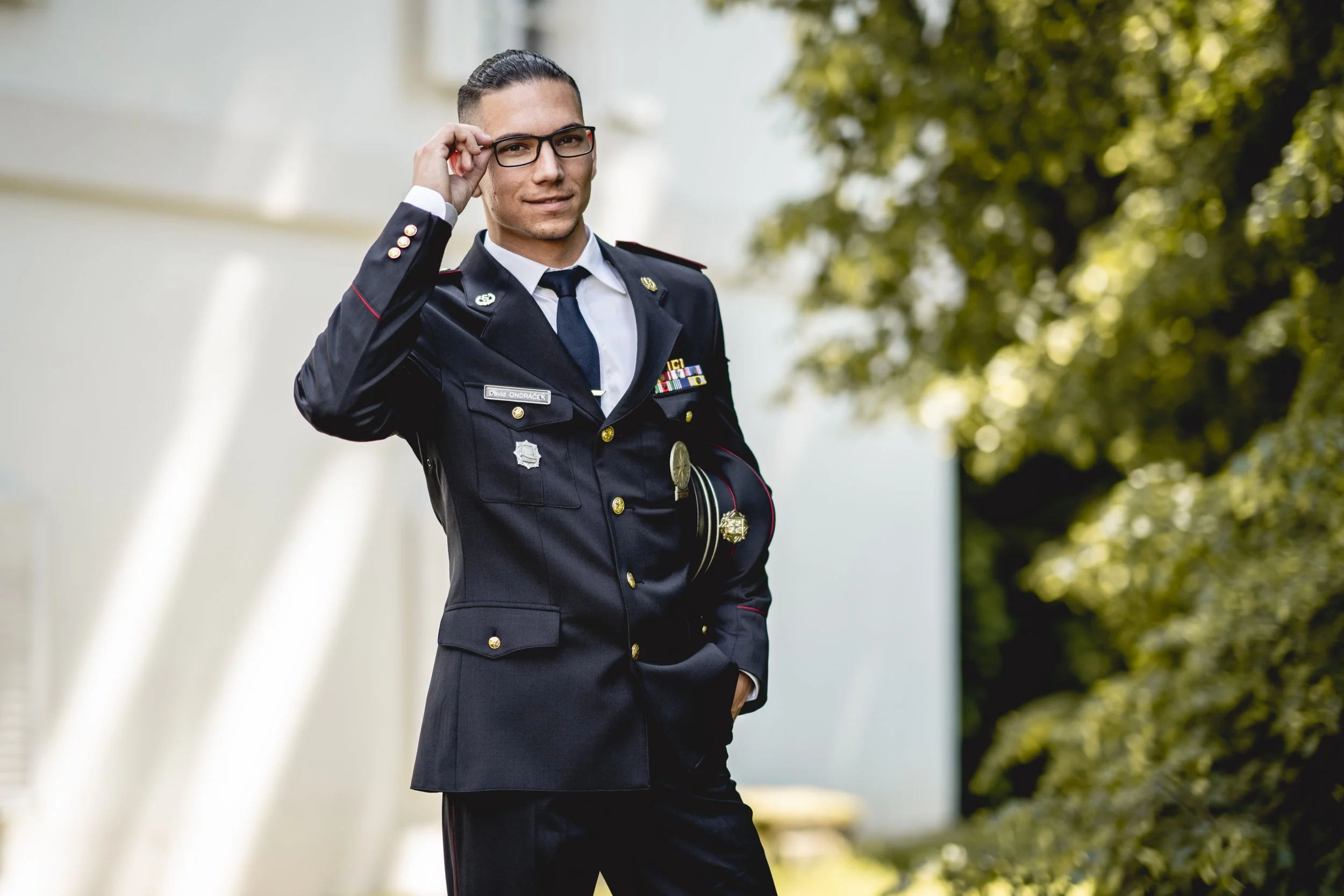
Police crisis intervention specialist PhDr. David Ondráček, MBA, spoke with Oleg Vojtíšek.
My husband left for work this morning by car. A few hours later, the doorbell rings. You open the door: the police are standing there, delivering news that will change your life forever.
What exactly happens when someone comes to tell you that a loved one has passed away?
PhDr. David Ondráček, MBA, a police crisis intervention specialist, deals with the worst cases: tragedies, murders, and suicides. When he isn’t investigating them, he has only one task: to devote himself to his family and be there for them.
In those most urgent moments shortly after a death, it is he who rings your doorbell. But before that happens, he may very well “test the waters” — to see how you’ll react. To see if he’ll scare you, if he should be more afraid of you, or if you’ll try to run away.
But no matter what your history with the police may be, it's his job to break the news to you and reassure you during the worst of times.
Why should families learn about a death from a crisis counselor rather than from social media, the media, or friends?
How do you break this news to the children?
Can the police make sure they let you see the body one last time?
Police crisis intervention team members are all volunteers from among active-duty police officers. They have practical experience, but at the same time, they care deeply about what happens to the “collateral” victims of tragedies: the bereaved.
Listen to our podcast with David Ondráček about how and when the police (don't) help.
How Anička from Zrádci fell asleep in her coffin at Křivoklát. And also about burying hamsters.
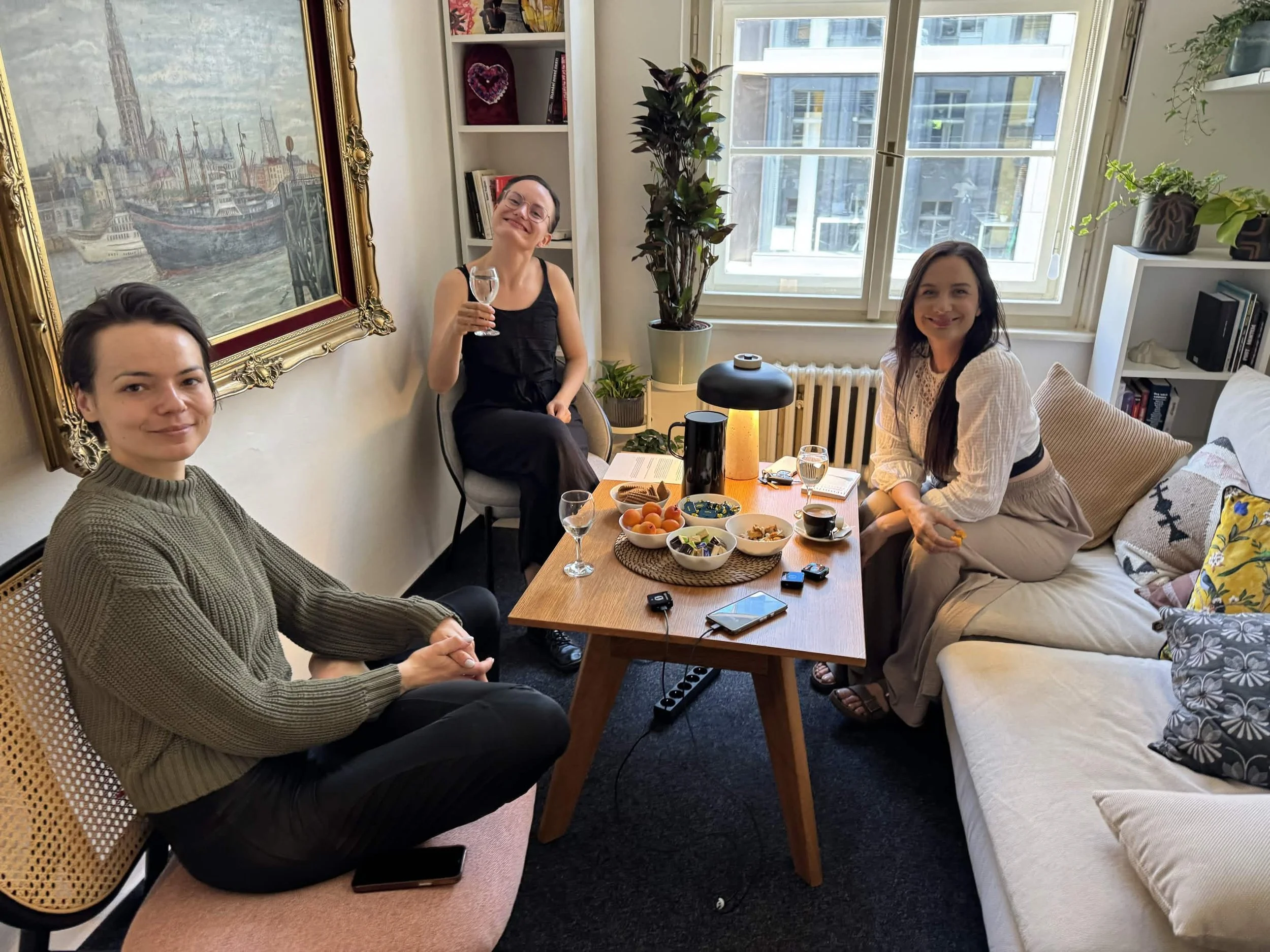
Anička Kadlecová from The Traitors is recording a podcast with Funeral Guides Noemi Svobodová and Sandra Šindelářová.
The Traitors! Are you watching?
If you've ever played Mafia (or any of its variations, including Among Us), the concept will feel quite familiar: players complete missions during the day, and at night, the traitors eliminate one of the players. The next day, along with the mission, players vote on who the traitor might be—and thereby eliminate one of "their own."
The Traitors generally revolves around the theme of death. In the second season, players even lay in coffins, were locked inside them, and had flowers thrown into their graves by others... basically experiencing everything we will all face one day... except they get to stand back up out of that grave.
Anička Kadlecová, whom we invited onto the podcast to share her experience on The Traitors, reportedly fell asleep while locked inside her coffin at Křivoklát.
The Traitors is a game, of course: the crew is there with you, and when you lie down in a coffin, you don't do it knowing you've died, but knowing you don't want to be voted out. But when the lid of your coffin really does close and you are truly eliminated, it actually symbolizes death.
Did the crew take their biggest fears into account—like claustrophobia?
How aware were the players of the symbolism of a game about life and death?
Over the course of two weeks, the players live out a whole miniature life without knowing when it will end. That's why they dive into everything fully, without hesitation, just to avoid being eliminated.
How is it that when we have perhaps ninety years instead of two weeks, but with the exact same uncertainty of whether we'll be here tomorrow, we become so comfortable?
And we can continue with the analogies: each of us is convinced of our own uniqueness, but even when we are eliminated from the game, the story goes on. And it is no different in death.
A summer episode about The Traitors (beware of spoilers!), about (im)mortality, and about how a game of life and death teaches a person more about themselves than they might perhaps want to know... also touching on burying hamsters and cryonics! Funeral Guides Noemi Svobodová and Sandra Šindelářová speak with Anička Kadlecová.
Listen on Spotify and other platforms.
Every depression can be cured – says Jiří Horáček, Director of the National Institute of Mental Health
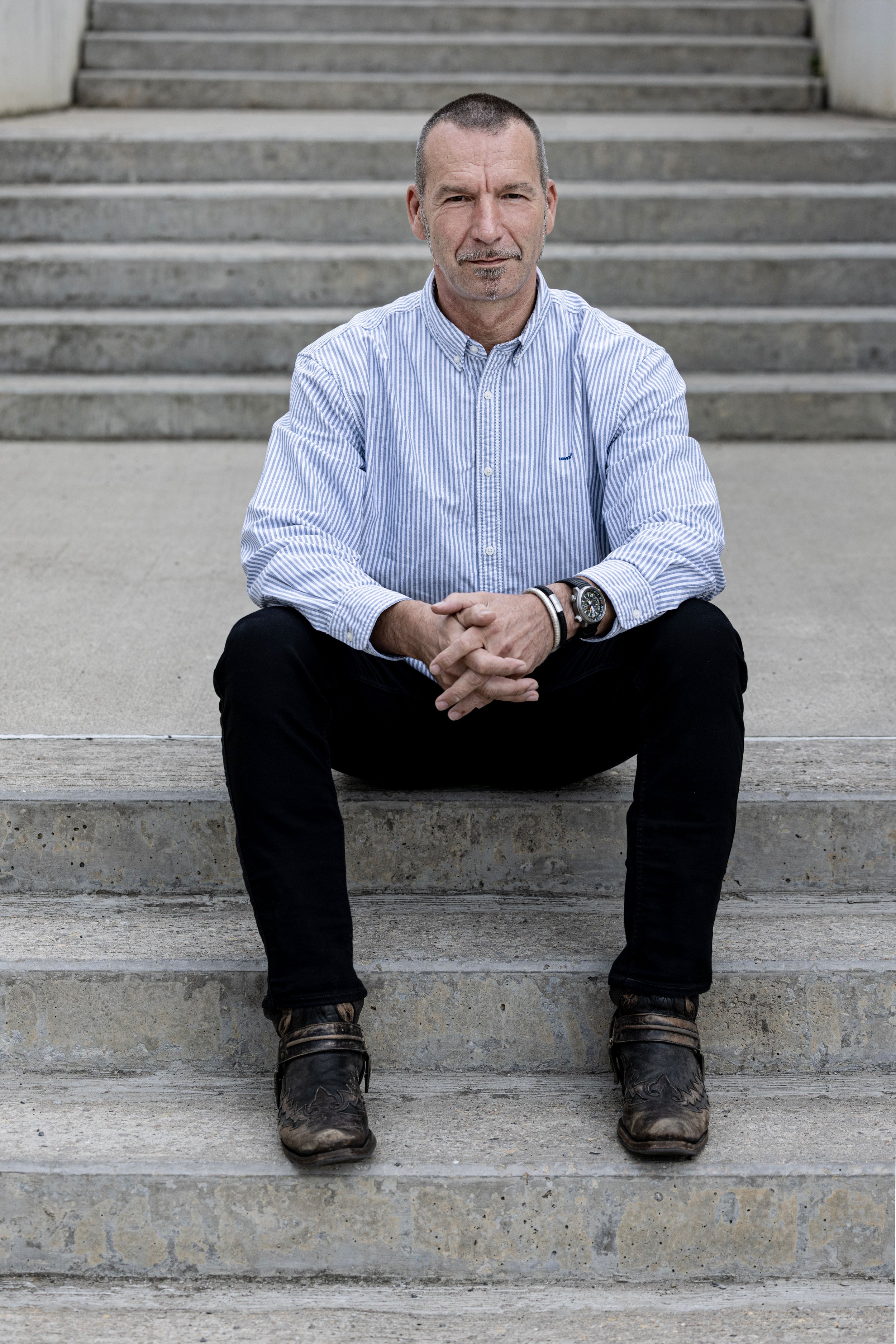
Oleg Vojtíšek spoke with Prof. MUDr. Jiří Horáček, Ph.D., FCMA, Director of the National Institute of Mental Health (NIMH), Head of the Department of Psychiatry and Medical Psychology at the 3rd Faculty of Medicine, Charles University, and Head of the Center for Advanced Studies of Brain and Consciousness at NIMH.
"I have a terminal diagnosis," says a caller on the phone who wants to arrange a funeral. But their "diagnosis" is suicidal intentions.
What next? Police, a stay in a psychiatric hospital, medication. And many people are afraid of that. Yet modern psychiatry is no longer what we know from One Flew Over the Cuckoo's Nest.
That is why we invited the Director of the National Institute of Mental Health, Prof. MUDr. Jiří Horáček, Ph.D., FCMA, to our podcast.
According to him, EVERY depression is curable sooner or later. That is why stories ending in suicide are so extremely sad: because we know a cure exists, it just needs time.
The critical window is two weeks from starting antidepressants: depression masks its "host" by taking away the energy to do anything at all. Antidepresants give them this energy, but it's not enough time to heal the root of the depression – that "existential weight."
What is the relationship between the economy and suicide? And are certain nations more prone to suicide, perhaps due to their geographical location?
Is the fear of death as old as humanity itself? In what ways is the "longevity" lifestyle actually naive?
Why do psychedelics work?
Listen to our Funeral Guides podcast on Spotify and other platforms!
A podcast about people who forgot how to die: with nurse Veronika Effenbergerová
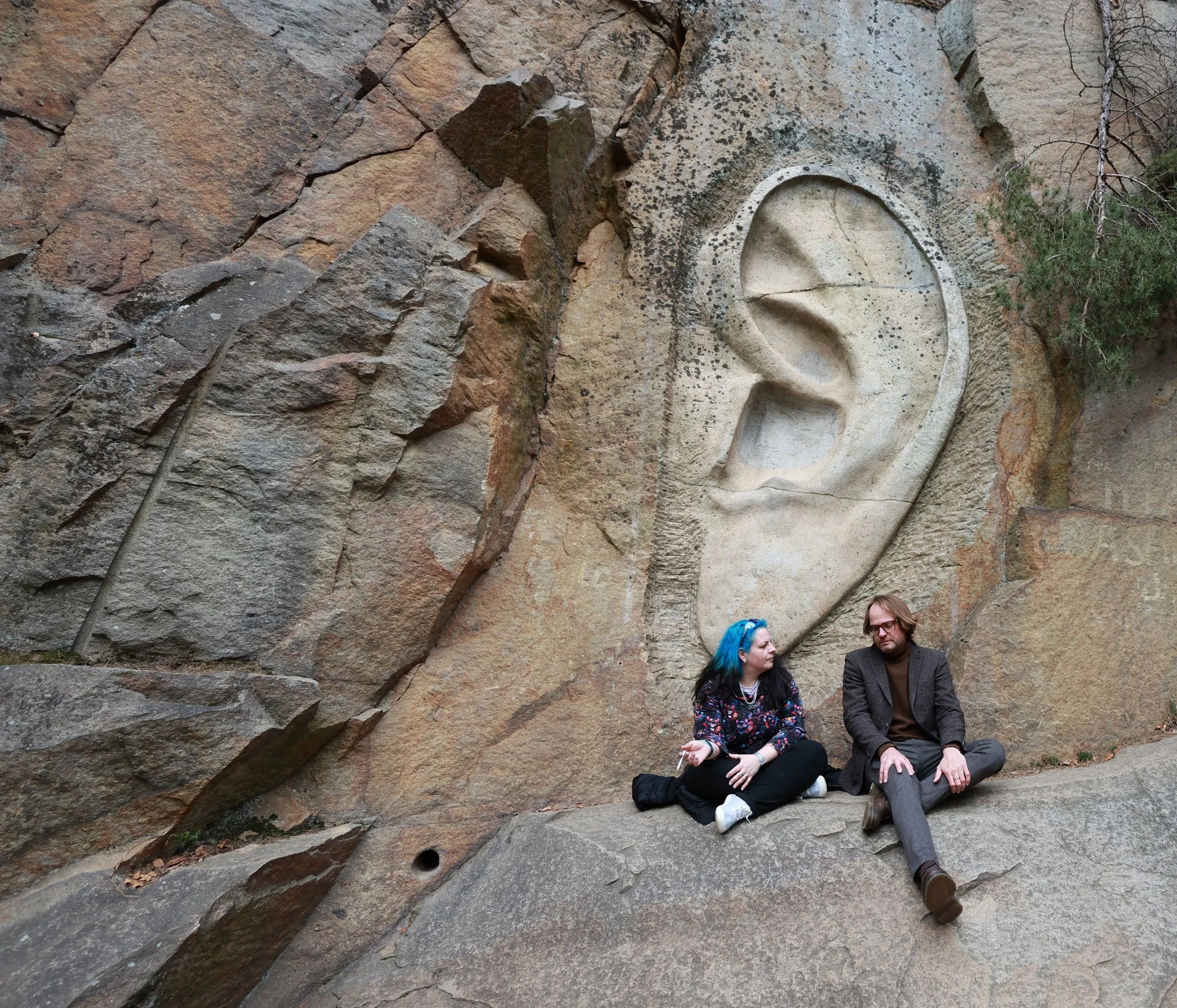
Veronika Effenbergerová and Oleg Vojtíšek recording a podcast at "Ucho"
"When they are still able to perceive the world around them, the moment I pick up a syringe and open the tube of artificial nutrition to prepare it, they already turn their eyes away so they don't have to see it."
Such is the reality of people who spend their final days bedridden, hooked up to tubes. Being unaware, or perhaps even in a coma, might be the better option. Some of them, while they still can, even attempt suicide: yet families insist on resuscitation, even when the heart begins to fail naturally.
Why? Because they want to keep them alive for another month or two. In life, a person only has to do two things: be born and die. "Forgetting how to die" is perhaps the worst nightmare of us all.
Nurse Veronika Effenbergerová has witnessed countless such cases in nursing homes. She is the very person who might one day care (or perhaps already cares) for your parents. And she herself asks families, "Why won't you let him die?"
What drives families to keep a person on life support when there is no longer any chance of recovery and a return to an active life?
Where does love for another end and self-love—that overprotective kind—begin?
Is death healthy?
We discussed this with nurse Veronika Effenbergerová in our podcast. You definitely shouldn't miss this: it's not often you get a glimpse behind the scenes of what happens in nursing homes, especially since many people are afraid to even walk through their doors.
Vojta Náprstek: Threats of being boiled alive, the beginnings of cremation, and a spectacular funeral at a railway station. With Pavla Hubáčková from the Náprstek Museum.
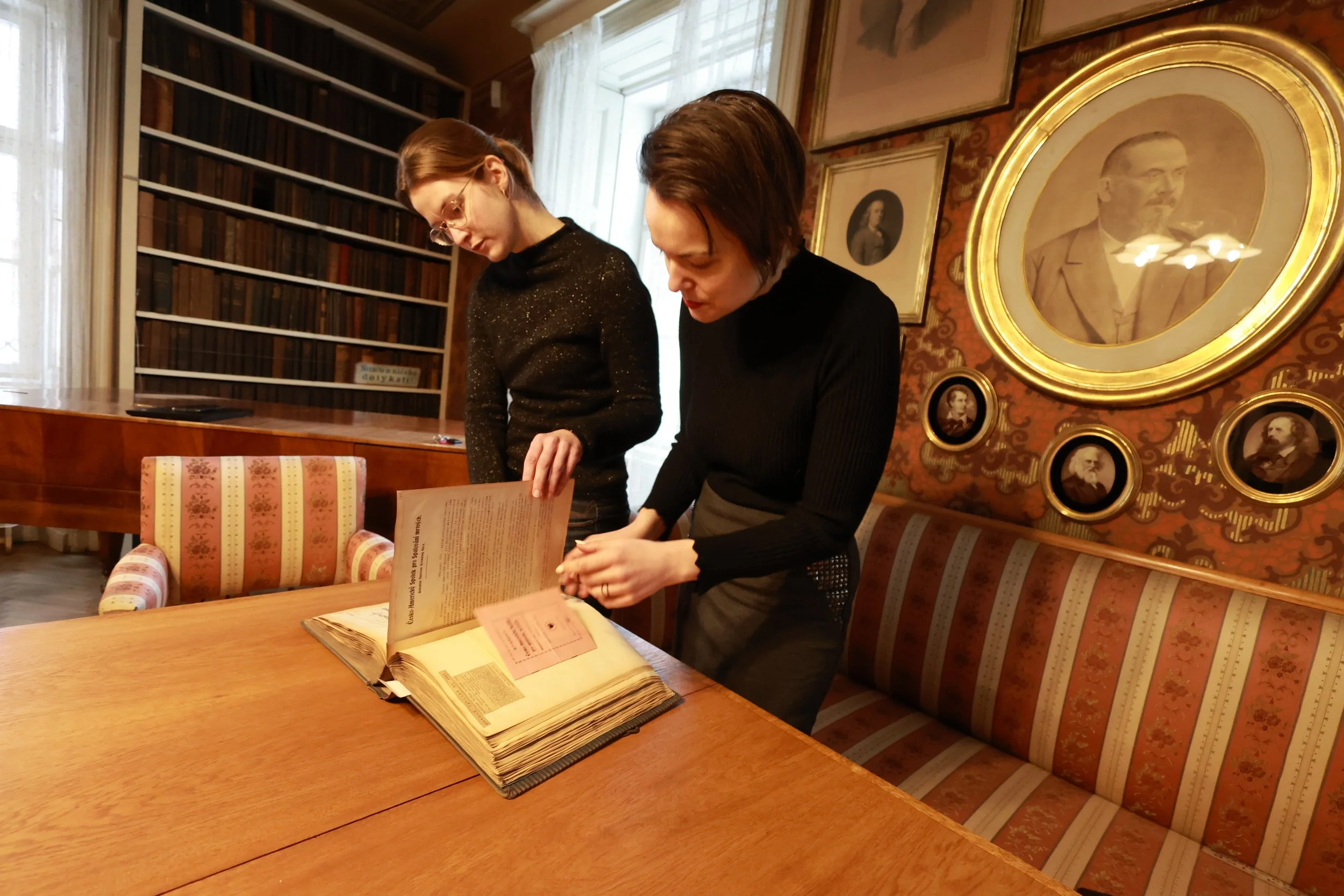
Pavla Hubáčková from the Náprstek Museum talks with Sandra Šindelářová in a podcast about the funeral of Vojta Náprstek.
How did we go from threats of being boiled alive to becoming a cremation superpower?
One hundred and fifty years ago, burials took place solely in the ground here. And everyone strongly opposed cremation.
Today, over 80% of funerals in our country are cremations. And yet everyone opposes human composting, also known as teramation. Who knows what it will look like in a hundred years?
Do you know the story of the person who actually pushed for cremation here? Vojta Náprstek was not only one of the first feminists (he founded the American Ladies Club, where he promoted education for women), but also one of the first Czechs to be cremated despite the opposition of both the church and society.
His decision was backed by science: it was supposedly more hygienic, more economical, and cleaner—at a time when graves were regularly robbed and dead bodies sold to young medical students for practice.
We talked (not only) about him with Pavla Hubáčková from the Náprstek Museum in our podcast, and if you also want to know how we got from threats about boiled bullets to the majority choosing cremation, be sure to listen to us!
And definitely make sure to visit the Náprstek Museum this April, where his urn is on display again (as per his wish)!
Have you heard of POST-MORTEM accompaniment? Josef Šťastný and I have ventured into the waters of Buddhism and the Tibetan Book of the Dead.
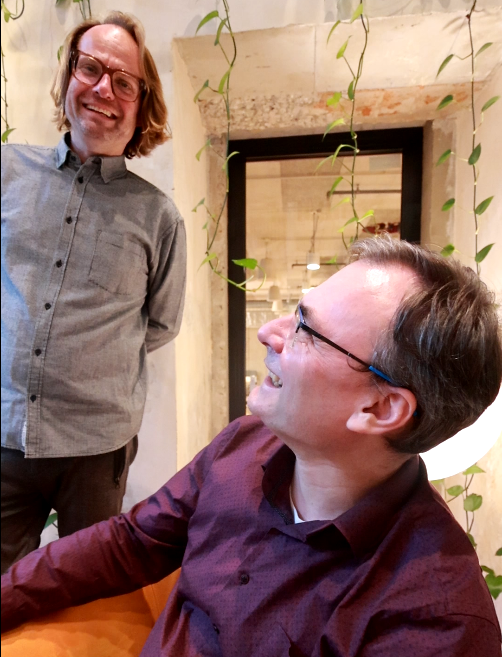
Josef Šťastný hosts a podcast about post-mortem accompaniment for the deceased.
We guide the dying before death and the bereaved after death. But for someone to guide the dying (meaning those who have already passed away) even after death—that was a first for us.
Josef Šťastný focuses precisely on this: his approach is rooted in Tibetan Buddhism. In very simplified terms, he finds the soul of the deceased in the so-called bardo (an intermediate state between death and rebirth) and helps it find the right path.
The goal is, in his own words, "to improve the future direction of the deceased by a few percent." Because, let's not forget, Buddhism believes in the reincarnation (rebirth) of the soul. Does that mean being born into a richer family? Or not being reincarnated as an animal?
For many of us who have ever watched a cat or a dog, perhaps living our next life as an animal would actually be more peaceful...
And can we really help those who did terrible evil during their lives? A high school shooter, for example? Do their souls deserve "salvation"—or, as Josef Šťastný calls it, being "wrapped in light"?
We are in the year 2026, which in numerology corresponds to the number one: a year of new beginnings, preceded by a year full of changes and endings. Post-mortem accompaniment similarly begins even before death: in changing one's life, life priorities, and turning inward. What comes after death is then merely a continuation of a journey already begun, one on which you can be accompanied.
A podcast for anyone curious about what awaits us after death: whether truly nothing, God, or Josef Šťastný!
Can aromatherapy help us die well? Care well? Grieve? Ludmila Kotalíková and Oleg Vojtíšek
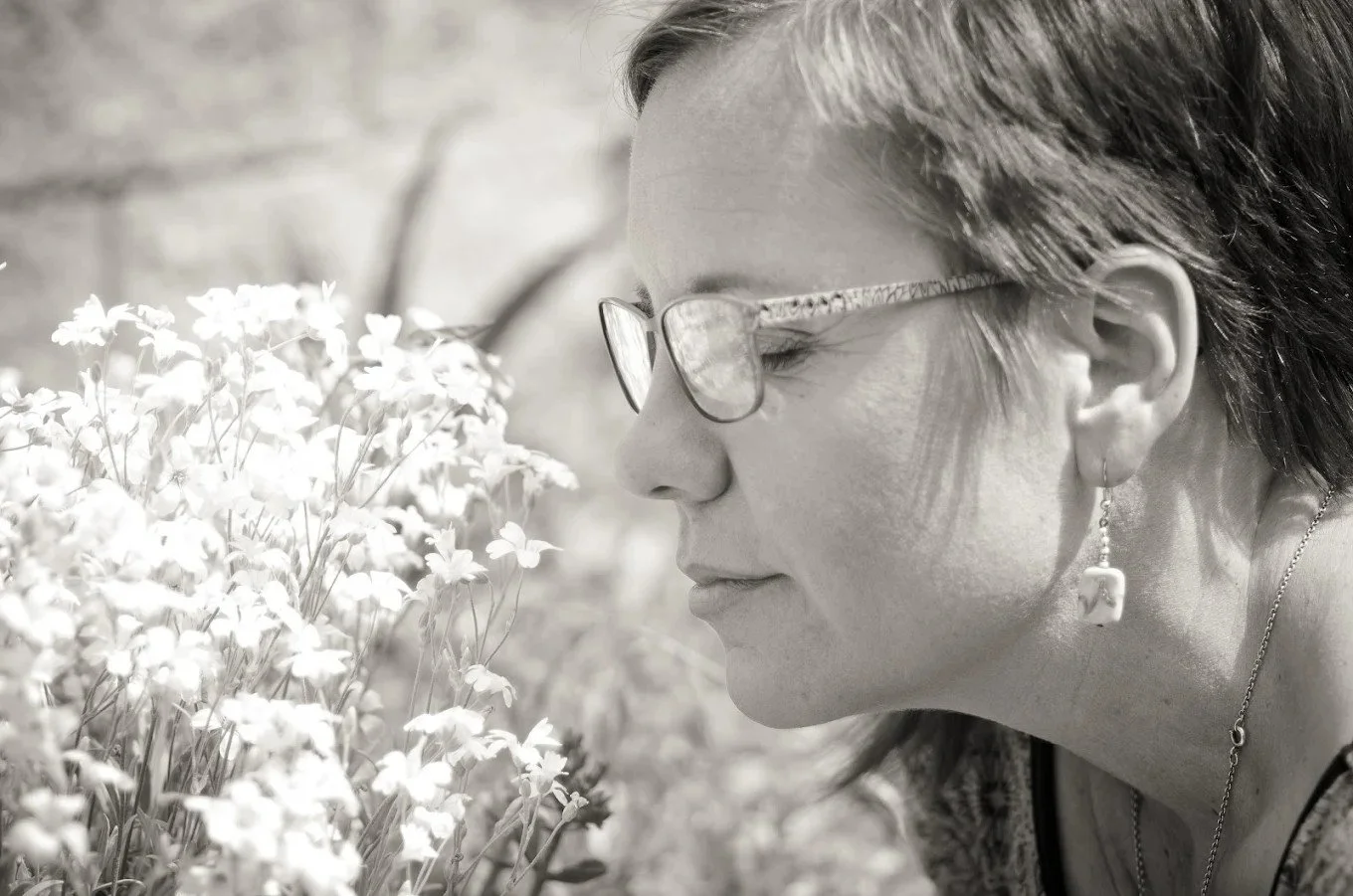
Ludmila Kotalíková, aromatherapist
What scent comes to mind when you think of home? 🏡
And what scent comes to mind when you think of spring, the sea, a holiday at grandma's, or mom's pie? 🥧
🧴Have you ever thought that you might never smell some of those scents again in your life? If you had the chance, would you want to return to those moments?
And what if you could do it even before death?
🎙️ Ludmila Kotalíková, aromatherapist and founder of Aromadoteky, has accepted our invitation to the podcast!🎙️
🌿 Aromatherapy in palliative care is not just about a "nice scent".
It is about memory, emotions, safety, and returning home – even if only in the mind.
When the dying person no longer has words, but still feels... 🤲
💭 How to use scents and touch to bring comfort to someone who is dying?
🌿 Where should you even begin with aromatherapy in palliative care?
🥀Which oils to use for calming, better sleep, or conversely for encouragement, warming up, cooling down, acid reflux, constipation, and a dry mouth?
➡️ You can listen to the full interview in our podcast
Scatterings in the forest and at sea. Forbes podcast, Oleg Vojtíšek with Julie Mahlerová
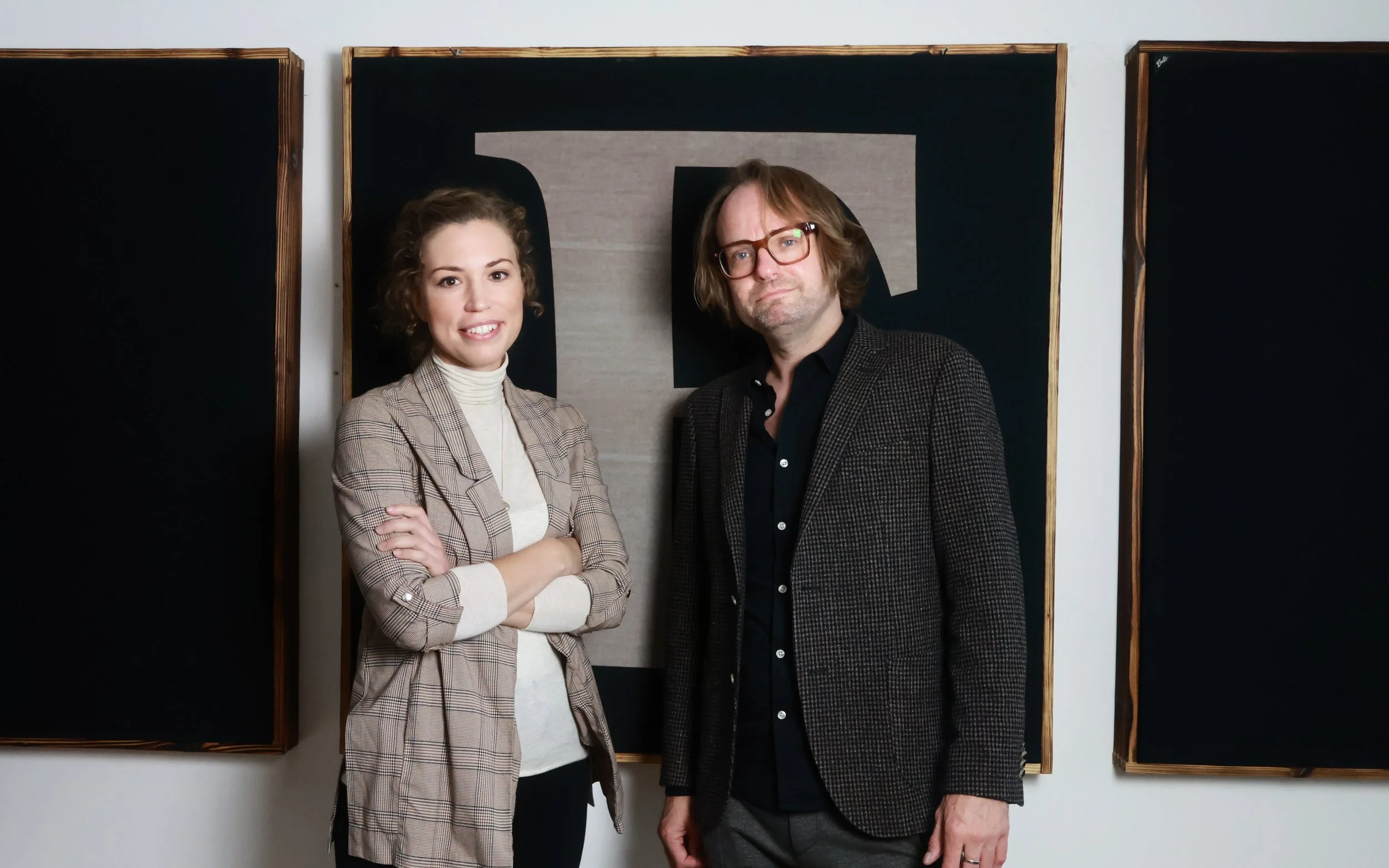
Oleg Vojtíšek recorded a Forbes podcast with Julie Mahlerová
"If we don't hold a funeral, the deceased will come back to haunt us," people used to say.
Don't believe in ghosts? You don't have to. The deceased can "haunt" our own souls. By telling ourselves, "I should have told them, now it's too late." By never truly saying goodbye, leaving an unwritten chapter inside us—a gaping wound that no one has stitched up.
That is what funerals are for. They are meant to help us bridge the period of life with a loved one who is suddenly no longer here.
But death needs a little love, too. And our Oleg Vojtíšek discussed how to do that with Julie Mahlerová from Forbes in the podcast How to Be Better.
So go listen to it, and feel better too :)
Where to find hope? Former Evangelical pastor Jaroslav Pechar and Oleg Vojtíšek
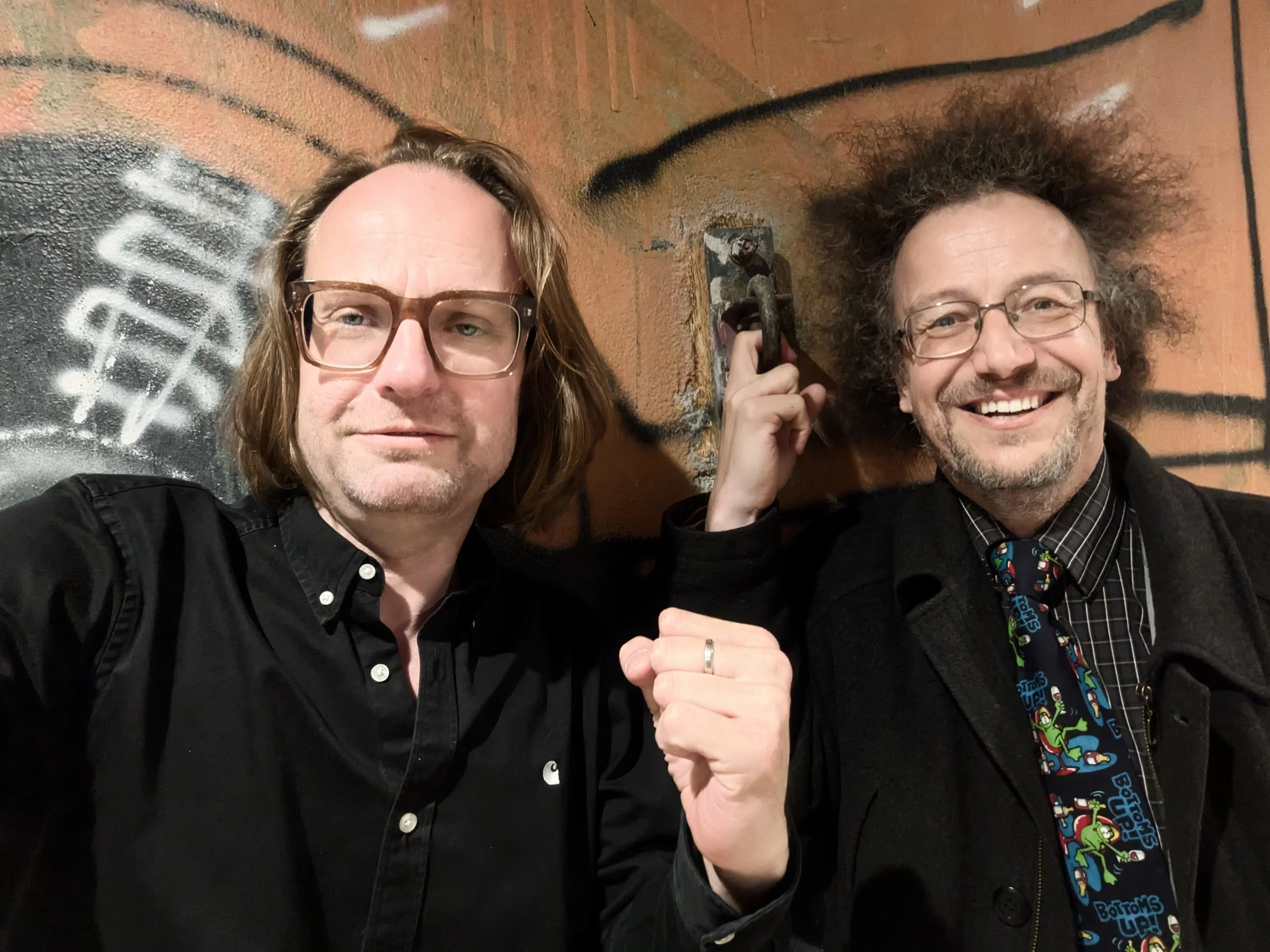
Former Evangelical pastor Jaroslav Pechar and Oleg Vojtíšek
"At our mother's funeral, the pastor preached about some whore."
Or, to put it another way, whether humor belongs in funeral sermons was just one of the topics we discussed with former Protestant pastor and priest Jaroslav Pechar.
Is a funeral for the person who died, or for those left behind? Should we plan it the way the deceased would have liked? Or in a way that helps the grieving family? Or should it focus more on God and the hope of eternal life?
Many of us imagine that if a eulogy makes even the toughest guys cry, it's the highest form of praise. But... what if it brought you a sense of relief instead? What if it made you feel lighter, lifted the weight of guilt, or even brought a smile to your face? Is the goal of a funeral to break down and cry over death, or to celebrate a life? What does Father Pechar say? (Spoiler: at his funerals, people share stories, play the guitar, and stay long after the service ends!)
"Death is an enemy that wins battles, but never wins the war."
Where do we look for hope when we are dying? Especially if we aren't particularly religious?
Father Pechar can't answer what comes after death, and neither can any church, but he does know what isn't there: there is no darkness and emptiness, because a helping hand is waiting. That is the greatest hope the church offers after death.
And just as God, according to the church, extends a hand to the deceased, priests like Father Pechar extend a hand to the bereaved. Not with holy water or a magic wand. But with words and stories. And sometimes by answering the phone at one in the morning.
Listen to his stories and jokes in our podcast on Spotify.
"In heaven, we'll be surprised by three things: who is there, who isn't there, and how on earth we managed to get in ourselves."
What needs to happen so that quality palliative care becomes the standard rather than a matter of luck? Jiří Krejčí from Pallium shares his thoughts.
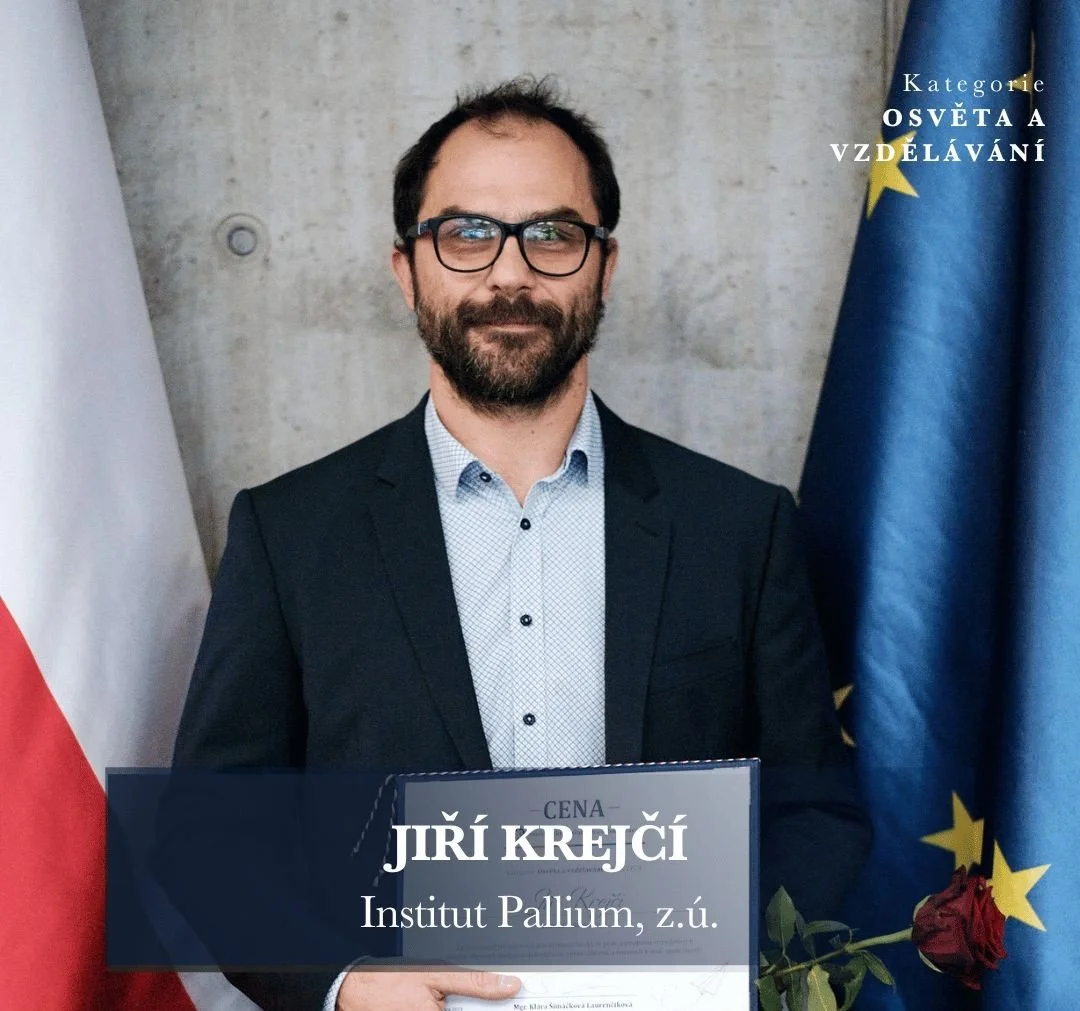
Jiří Krejčí, founder of the Pallium Institute
"Let's change the reality for people facing serious illness and grief, so that life feels more bearable for them" – this is the vision of Jiří Krejčí from Pallium.
Ten years ago, almost no one in our country focused on palliative care. Yet in another decade, we might even have a system that truly cares about the needs of the dying and responds to them.
And this is happening thanks to Pallium, an organization that supports palliative care professionals and strives to make it better. Their goal is to ensure that quality palliative care is a standard, not just a matter of luck.
But how do we achieve that?
For instance, hospital palliative care teams often lack anyone dedicated solely to the bereaved: everyone tries to help in some way, but it falls outside their primary specialization and usually exceeds their available time.
Police crisis support workers are not allowed to recommend paid services – such as grief counselors, therapists, and the like. As a result, many people don't even realize that support is available to them.
One solution is to find a way to fund grief support through public resources. Another is to involve volunteers who could facilitate self-help groups for the bereaved.
How can people who are grieving help others?
Do people even know what options they have when facing the end of life?
And can we truly provide effective support to palliative care patients and their families?
This episode of our podcast is aimed primarily at professionals. So, let's see – how many listeners do we have working in palliative care? Join our host Oleg Vojtíšek and Jiří Krejčí from Pallium on Spotify!
PHOTO: 2nd Annual Awards of the Government Commissioner for Human Rights
Klára Brázdová and Oleg: Is grief chaos? Or is it wandering through a forest? And is a funeral a dialogue?
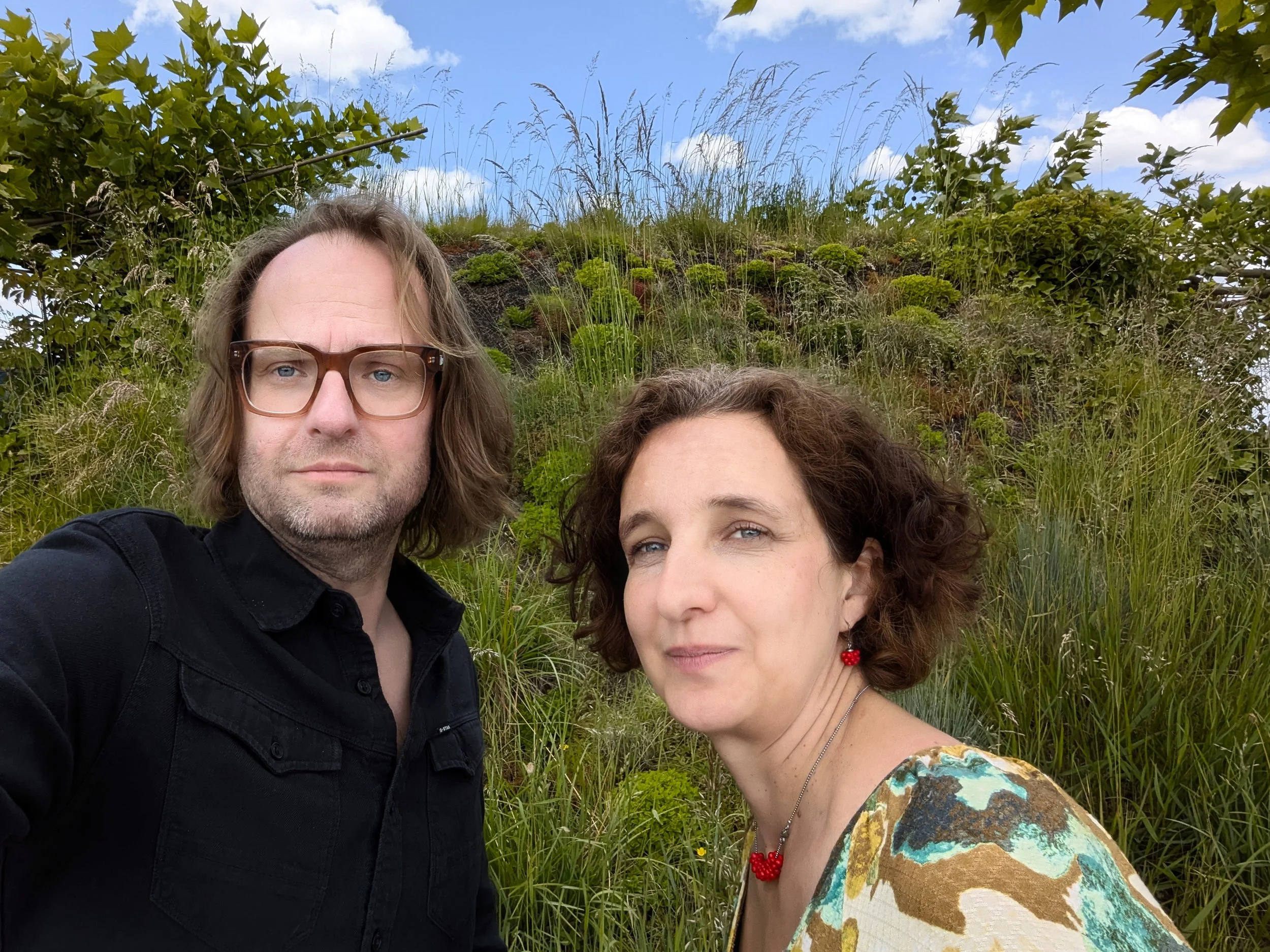
Klára Brázdová and Oleg Vojtíšek recording a podcast on a green roof above Prague
The deafening silence after someone passes away.
And we don't mean suddenly finding yourself home alone. We mean the silence that creeps in gradually: when, after the death of a loved one, you receive countless messages, so much attention, questions, and love... and then it suddenly fades away.
Suddenly, those around you decide it is time to move on. But you are not there yet.
As a psychotherapist, Klára Brázdová frequently works with the bereaved, and both our work and hers have a lot in common!
As a funeral service, we often weigh how much we should do for our clients: as a service provider, we want to deliver as much as possible. However, grief is a very specific matter. People need to be guided so they can step into their grief themselves - such as by helping prepare the funeral. Therapy works in a very similar way.
Klára says she appreciates that we maintain a dialogue with the bereaved. A dialogue about what they want and how they want it. What is actually possible. A dialogue about the deceased, what they would have wished for, and what the family desires. People are often afraid to talk to them about this. Grieving people are fully competent, and we should not treat them like children.
Why is it not a good idea to follow "expert" stages of grief?
How are grief and wandering through a forest similar?
And why is it nice to take a trip to Nepal after a funeral?
In our podcast, Oleg discussed grief with psychotherapist Klára Brázdová, and if this relates to you, you will definitely want to listen!
Barbora Steinlauf: Do you have the right to a peaceful death?
"I don't want to live anymore, just let me die…" Has a dying person ever said this to you? Do they have the right to die in peace? Can you answer that?

Barbora Steinlauf and Oleg Vojtíšek recording a podcast at dusk over Prague
Probably not. And most doctors probably wouldn't either.
The healthcare legal system is lagging far behind when it comes to dying: for a long time, it was built primarily to protect doctors and support them in case of unlawful actions. However, Barbora Steinlauf, as a healthcare lawyer, is going in the opposite direction—she protects the rights of the dying and strives to raise awareness about what a person is entitled to during the dying process.
If you cannot answer these questions, you should definitely listen to the podcast recorded by our Oleg with Barbora Steinlauf:
What should you do if someone is dying in the hospital and you feel they are not being treated well? And what if you suspect they died due to a hospital mistake?
Is a signed piece of paper really enough for informed consent?
When you refuse medical care, do you also lose access to palliative care?
And overall... where does euthanasia (assisted dying) stand in the context of Czech law?
And we're still not done: Barbora has also newly launched the End of Life project. Let your family know how you wish to die when you can no longer make decisions for yourself. Or take a look there to see how to even approach having a conversation about this with someone who is dying.
Suicide is the cancer of the soul. How do suicidal thoughts work? Saša Kasal and Roksana Táborská.

Saša Kasal and Roksana Táborská from the National Institute of Mental Health
Suicide is the cancer of the soul. How do suicidal thoughts work?
It changes with age: the younger a person is, the more at risk they are – people learn different techniques for coping with problems during their lives.
It changes by gender: more men commit suicide, while women more often self-harm (worldwide, there are 3 to 4 male suicides for every female suicide).
It spreads like contagion: if a suicide happens in one classroom, it is a risk factor for all classmates.
The surroundings can make it worse; it is enough to say, for example, “You can't do this to me.”
13,000 suicides in one year – roughly 4 deaths a day. Those are the figures for 2022. March and April are the highest-risk months.
Is it because of computers now? Not at all. Numbers have steadily declined since the 1950s and 1960s. They have only started rising again since 2019. Why?
There is never just one cause: covid, bleak prospects for the future, social media, long waiting lists for psychologists, addictive substances, even genetic predisposition.
What to do when someone confides in you about their intention to commit suicide?
Will a psychologist drop you?
Can the family be exonerated in any way?
We explored the stigma of suicide together with Saša Kasal and Roksana Táborská from the National Institute of Mental Health in our podcast.
We apologize to everyone for the lower clarity of the male voices. The original recording was heavily damaged, and what you are hearing is the result of a painstaking reconstruction.
“Philosophizing is a rehearsal for death,” says Plato’s Socrates, speaking through the Czech philosopher Tereza Matějčková.

We also (modestly) got a little philosophical and practiced dying in our new podcast. During the Christmas season, we’re often troubled by loneliness—but according to some philosophers, loneliness is a luxury of the modern age. Why?
Because it’s a chance to live your life on your own terms, rather than according to others. To act authentically for yourself, regardless of the wishes of your family or society. “To follow your own truth.”
But be careful not to confuse this with isolation: that, on the contrary, is the result of our breaking free from family ties. After all, as Georg Simmel said, it is only modern man who is beginning to die—precisely because he is aware of his individuality and finitude. He does not see himself as a mere continuation of his lineage.
According to Hegel, it may ultimately be the funeral itself that brings us back into the community. And if we fail to hold it, we harm ourselves: for in doing so, we undermine our own community and our own sense of belonging.
And last but not least: it has always been interesting to philosophy that humans don’t merely “fail” like other animals, but in some way take charge of that failure. We often say that we’re fighting something—whether it’s other people or diseases. But we go even further. We learn from these experiences and correct past mistakes. We hurt ourselves, but at the same time we forgive ourselves and grow from the experience.
We grow through conflicts, and family conflicts are what “shape us together” and bring us all closer. And at Christmas, this is more evident than ever.
So, if you want to take a moment this Christmas season to gather your thoughts, find some peace, reflect, and escape the hustle and bustle of modern life, Tereza Matějčková recommends philosophy. And you can start with our podcast featuring Tereza herself!
Search for us on Spotify:
How did Tereza prepare herself for the death of her five-year-old son, Kryštůfek? And how did she prepare him?

Kryštůfek had a clear diagnosis: DIPG. A brain tumor. In the brainstem. 100% mortality rate.
We thought long and hard about the story of Tereza and her son Kryštůfek because it left us with deep feelings of admiration and emotion. When Oleg first heard about it from Tereza over a cup of coffee, he decided that a story like this needed to be shared.
Because it’s the story of a very brave little boy and two parents who went through hell together but came out the other side. Kryštůfek was only four when half his body became paralyzed. Then came the diagnosis, radiation therapy, a brief improvement, and a rapid decline.
His mom, Tereza, and his dad, Dan, stood by his side the whole time and held his little hand right up until the very last moment, before he drove off in a black Hyundai van—a vehicle he would never have gotten into on his own, as Dan joked in that tense moment, because he didn’t like that brand. After all those tear-filled nights, what else was left for them but a little humor?
A story like theirs can actually help—both Tereza and those of you who are going through a similar situation, or someone close to you. Or it might just make you stop and think about whether that argument with your husband over the unwashed dishes was really that bad.
Can a relationship be “fixed” by the death of a child?
How do you talk to a child about their own death?
And will banning crying help?
With powerful stories like this one, it’s hard to give advice on what to do and what not to do. And we don’t really want to do that anyway. We feel that we’re merely intermediaries through whom Tereza can share everything she’s been through—and yet managed to overcome—so that her story might reach those who need to hear it.
It was truly an honor that Tereza accepted our invitation to appear on our podcast and talk about all these topics. She spoke frankly, without mincing words. And you can listen to it on our Spotify.
We adapted Mexico's Día de Muertos into the Czech "Ceremony of Remembrance"—with Petra Ponocná


💀Do they celebrate death in Mexico on Día de Muertos?💀
Is it a fascination with death that makes us constantly commemorate old wounds every year?
❌Not at all. On the contrary: here, we’re not even able to talk properly about a friend’s death, even after a year. We tuck photos into albums, lock away our memories, and throw away their clothes. And God forbid their spirits should ever come back to haunt us.
In Mexico, on the other hand, people set up an altar for the deceased. They bring their favorite items and treats to their graves. They use sugar skulls to lure them back so they can celebrate with them and see that they haven’t been forgotten.
We've been talking for a long time about how cemeteries should be brought back to life. 🪅And in Mexico, they know exactly how to do it! 🪅
🧡They decorate the graves with colorful flowers.
🧡During the Day of the Dead celebrations, there are taco stands at cemeteries.
🧡The mariachis are playing.
🧡And families stay overnight there.
Let’s compare this to the Czech All Souls’ Day🥀—can you imagine not just going to lay a flower on a grave this year, but instead cooking the deceased’s favorite meal and going to the cemetery to chat with them? Playing music and dancing? Sharing memories with others who come there? Probably not. But you could, for example, invite your family over and remember the deceased together. Whether on All Souls’ Day or at another time—and whether with our help or on your own. Get inspired by us here, for example: https://www.pohrebnipruvodci.cz/obrad-vzpominani
In our culture, grief is an illness that needs to be treated and that has a clearly defined end. In Mexico, no one expects grief to end with a funeral and for everything to go back to the way it was before; on the contrary, people return to it every year, naturally, just as it should be in life.
On top of that, we here also think we’ve invented self-help groups—for example, for victims of car accidents.
Yet in Mexico, there are nationally designated days for various specific causes of death, allowing people to share their experiences with others who have suffered the same fate.
🇲🇽 There’s so much to say about Mexico. We just talked about it on our podcast with our colleague Petra Ponocná, and if you’re interested, tune in on Spotify. 🇲🇽
Caring for Parents After the Death of a Child: Alena Peremská

This podcast with Alena Peremská begins by discussing what has changed over the past 10 years. And fortunately, everything has changed. It used to be normal not to talk about the death of infants—it was a taboo; the babies weren’t shown to their parents, weren’t given names, and weren’t buried. “It” was supposed to be forgotten quickly.
So what's the right way to do it? Let's take it step by step.
How should bad news be delivered in a hospital? Isn't it better to say nothing? After all, if I don't say anything, I won't make things worse.
It isn't. If you don't know how, just approach it personally, humanely, on your own behalf. There's nothing wrong with crying—on the contrary, if you cry, it might actually be the greatest gift you can give that family.
How can you preserve—or even create—a memory of a child?
Take a photo together (seriously, we’ve had the best experiences with this). Ask for a memory box. Make footprints in it, give the baby a stuffed animal… We know from experience that this doesn’t traumatize the family.
How do you say goodbye?
First, at the hospital: The hospital should allow you to say goodbye to your baby in private. You can dress the baby and prepare it for burial… but you can also do this later at the funeral home.
And then hold a funeral, a ceremony. Let the child go, say goodbye. It will be a great help to our mental well-being, but also to the child’s soul. And if it helps us, we can even have the child baptized—we don’t think it matters whether the baptism is valid, but if it helps us, the Lord understands.
What should you do with the child then? Where should you put the child?
Parents often choose cremation and then keep the urn at home so that their child is always with them. That’s fine (we just recommend not keeping it in the bedroom). After some time, however, it’s a good idea to move the urn to a more permanent location. You can hold a “secondary funeral”—bury your child’s ashes in a cemetery or in the garden, scatter them in a meadow, or release them into the sea.
The podcast ends on a very personal—even touching—note, so it's really worth listening to all the way through.
Zdenka Volavá, Director of Dlouhá cesta: How does a relationship change after the death of a child?

Zdenka is a mother whose 21-year-old son passed away. And since 2022, she has also been the president of the organization Dlouhá cesta. Dlouhá cesta supports families who have lost a child—regardless of the child’s age or the cause of death. In this podcast, we introduce Dlouhá cesta. But we’ll also focus on the difficult topic of changes in a romantic relationship following the death of a child.
“If someone had shown me this ten years ago or even five years ago, I would have said: ‘That’s not me at all; I’ll never act like that; I’ve never acted like that.’ But after that loss, I did act that way, and I actually didn’t recognize myself. So I feel like my husband, for example, had to get used to the new me far more than I had to get used to him.”
Kateřina Svobodová is a tour guide at Prague's cemeteries.

Kateřina studied art history, and cemeteries are full of art.
Art in its original setting, in a natural space, not in a gallery arranged according to a curator’s vision.
In a beautiful setting, surrounded by nature, in silence, in harmony with both nature and the city around it.
But these days, funerary sculptures are hardly ever made anymore. What can be done to bring them back?
And can creating a grave statue help one come to terms with the death of a loved one?
After all, we've had several clients who made their own coffins, and it helped them.
We made urns out of LEGO with the children.
And speaking of children, we see it as a major problem that they’ve never been to a funeral or seen a dead person—and that’s where society’s collective repression of death begins.
So how about we help them become familiar with death by taking them to the cemetery?
For example, in a history class: Let them see Božena Němcová, Neruda, the Čapek brothers, Dvořák, and Smetana at the Vyšehrad Cemetery. And everything else along with them.
It sounds natural and even inexpensive.
So, while recording the podcast, we came up with the "Kids at the Cemetery" project.
In any case, come join Kateřina for a tour of the cemetery; you can find the dates in her Facebook group “Všem tafofilům” or on the Hrbitovy.cz website.