
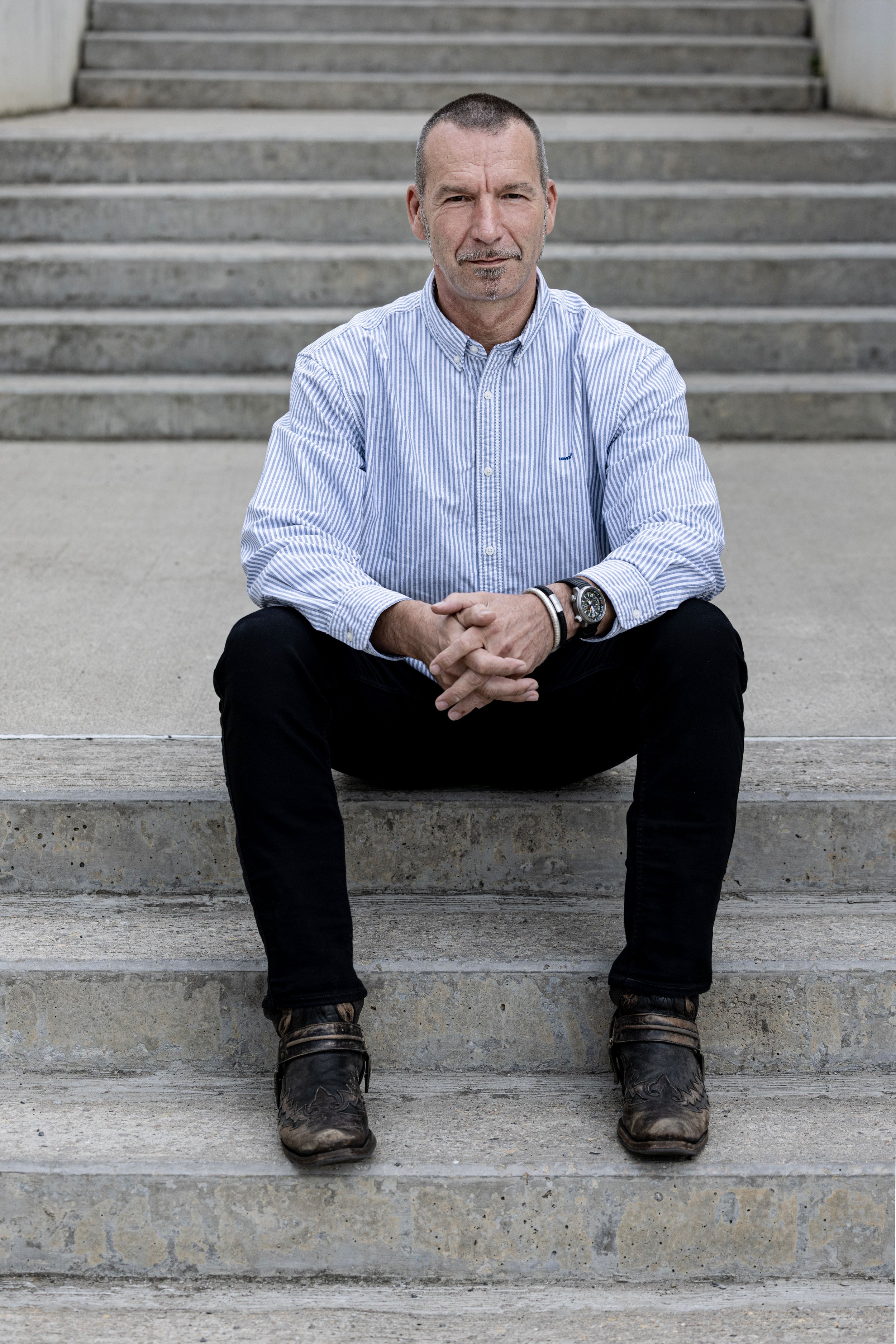
Oleg Vojtíšek spoke with Prof. MUDr. Jiří Horáček, Ph.D., FCMA, Director of the National Institute of Mental Health (NIMH), Head of the Department of Psychiatry and Medical Psychology at the 3rd Faculty of Medicine, Charles University, and Head of the Center for Advanced Studies of Brain and Consciousness at NIMH.
"I have a terminal diagnosis," says a caller on the phone who wants to arrange a funeral. But their "diagnosis" is suicidal intentions.
What next? Police, a stay in a psychiatric hospital, medication. And many people are afraid of that. Yet modern psychiatry is no longer what we know from One Flew Over the Cuckoo's Nest.
That is why we invited the Director of the National Institute of Mental Health, Prof. MUDr. Jiří Horáček, Ph.D., FCMA, to our podcast.
According to him, EVERY depression is curable sooner or later. That is why stories ending in suicide are so extremely sad: because we know a cure exists, it just needs time.
The critical window is two weeks from starting antidepressants: depression masks its "host" by taking away the energy to do anything at all. Antidepresants give them this energy, but it's not enough time to heal the root of the depression – that "existential weight."
What is the relationship between the economy and suicide? And are certain nations more prone to suicide, perhaps due to their geographical location?
Is the fear of death as old as humanity itself? In what ways is the "longevity" lifestyle actually naive?
Why do psychedelics work?
Listen to our Funeral Guides podcast on Spotify and other platforms!