
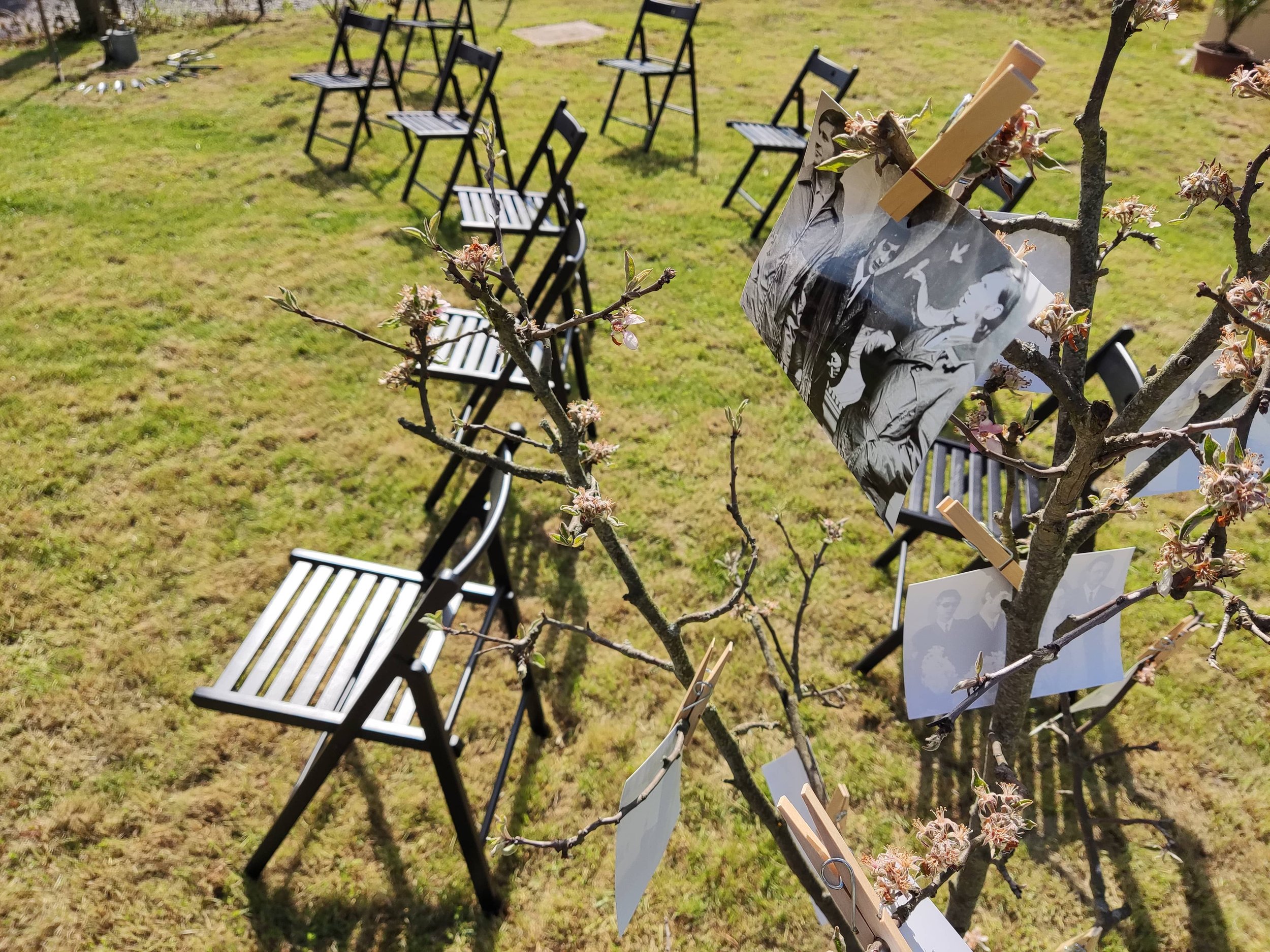
ECOLOGICAL FUNERAL

We will reduce the burden on the environment.
The ceremony will produce almost no waste.
We will not use any substances that harm the environment.
We will use the tools and supplies repeatedly.
No plastic packaging at the ceremony.
We will purchase the materials without packaging whenever possible.
We will work exclusively with responsible suppliers.
We will use refurbished technology.
No embalming with chemicals.
All of this will help us reduce carbon emissions.
We incorporate some sustainability principlesinto every funeral we hold: for example, minimal waste, no chemicals, period furnishings, obituary notices, or more eco-friendly transportation.
However , we apply certain policies only upon special request— these primarily include eco-friendly caskets or casketless funerals.

ECOLOGICAL COFFIN
We’ll use a coffin made of easily biodegradable materials, produced locally from local raw materials, without toxic chemicals. It can be a completely traditional, ornate coffin. It can also be a coffin made of simply crafted wood without any harsh surface treatments.
If we want a more airy coffin, we can use a wicker, bamboo, or paper coffin. But be careful with wicker coffins: peeled wicker from China has nothing to do with being eco-friendly, and wicker from Central Europe is quite expensive. Let’s try bamboo, paper, or other materials instead. A major advantage of a paper coffin is that we can easily write messages to the deceased on it: everything we didn’t have time to say, couldn’t say, or didn’t want to say… it’s a charming, yet very meaningful way to say goodbye—not just for children.

ECOLOGICAL URN
We will use an urn made from sustainable materials. If we bury it, we will choose one made from biodegradable materials.
Today, even “green funerals” use a plastic “standardized, government-issued” urn, from which the ashes are simply transferred into a “green” urn. We will try not to use the plastic urn at all.

CLOTHING FOR A CREMATION
We recommend choosing clothing that does not produce harmful emissions when burned, and above all, avoiding chemicals and plastics. For example, a shroud made of natural fabrics is appropriate, dignified, and tasteful.
What about shoes? We recommend leaving them off (rubber produces a number of toxic substances). On the other hand, if it is important to you or the bereaved family for reasons of respect, we will put shoes on the body—it is the smallest environmental impact we can cause.
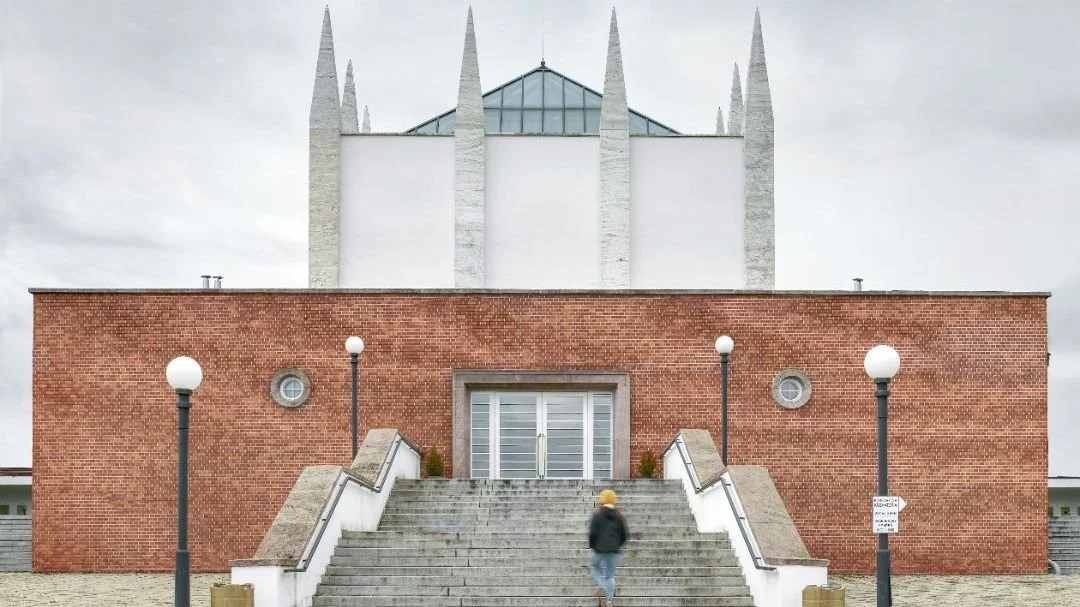
CREMATION
Cremation is the most popular, but also the most energy-intensive, method of burial. Its carbon footprint is roughly equivalent to a round trip from Prague to Croatia in a fully loaded car. To make matters worse, crematoriums in the Czech Republic run exclusively on gas—and in the current situation, we have no control over where that gas comes from.

A FUNERAL WITHOUT A COFFIN
We know that many of you wish to be buried without a coffin. For you, a coffin symbolizes a burden and a prison. In a way, it hides death from the bereaved. A coffin also prolongs the body’s decomposition, and in areas with high groundwater levels, it seals the body inside a hermetically sealed container. What’s more, coffin production has a significant environmental impact.
Believe us—a funeral without a coffin is not a moral, legal, or religious issue. We have a solution that is fully in accordance with Czech law. We wrap the body in a funeral shroud made of natural materials. Instead of a grave, we dig a shallow underground wooden tomb, reinforce it with planks, and seal it with a solid slab of hardwood that is walkable. We can then cover the tomb with soil topped with grass, a flower bed, or ivy. The body will still be in a wooden container, but it will be in a much larger, more airy space than in a coffin. If they wish, the bereaved may participate in the preparation of the body and the tomb—this will help them say goodbye.

STORAGE OF RESIDUES
Cremation ashes: The purest methods are scattering or burying the ashes. For example, we can bury the ashes near a tree or scatter them into water.
If we wish to keep the urn intact, we can also place it near a tree or in an existing tomb or columbarium at a cemetery. We have enjoyed a long-standing partnership with Les vzpomínek, but we can also scatter the ashes near a tree that we plant together in the garden—this will create a ceremony that helps everyone and brings the bereaved closer together.
CLOTHING IN THE COFFIN
We recommend using a shroud made of easily biodegradable materials. We do not recommend using clothing containing chemical additives or plastics (such as shoes with rubber soles). However, it is important to preserve the dignity of the deceased and respect their wishes—this is a priority under the law, specifically the so-called New Civil Code (Act No. 89/2012 Coll.).

FLOWERS FOR A FUNERAL
Cut flowers at a funeral are beautiful and uplifting, but their history is often marked by the destruction of nature and a disregard for all principles of sustainability.
The most eco-friendly solution, therefore, is to use paper flowers. We can make them ourselves and reuse them, or you can make them yourself. Making paper flowers is, in itself, a private ritual that can serve as a prelude to the public ceremony—and it’s also a great way to naturally involve children in the ceremony. We’d be happy to assemble the paper flowers for you.
Another suitable option is to use flowers we grow in pots.
If we use fresh flowers, we have suppliers who’ll arrange bouquets using only what’s currently blooming in the area and in their own flower beds.
We never throw away the flowers after the ceremony. The bereaved can take them home (there’s nothing unusual about that) or use them to decorate the grave. If they don’t want them, we have arrangements with churches that are happy to use the flowers as decorations (except during Lent, when churches are not decorated). If our ceremony takes place in a church or chapel, the flowers are often used right there. Alternatively, we can place the flowers in the cemetery—most cemeteries have a communal grave or a large cross… The final option is to decorate war memorials, which can be found in almost every town.

SHIPPING
We will use only cars that meet the requirements for the German green emissions sticker: https://www.ekologickaznamka.cz/ekologicka-znamka-nemecko/
We will not use any diesel cars (we can’t afford to buy electric cars yet—our company is small).
For getting around town, when we’re not transporting anything, we usually use public transportation and bicycles. For travel outside the city, we use trains whenever possible (though we admit we don’t do this as often as we’d like: we usually have to transport various large items to ceremonies, so we simply have to use a car).

CEREMONIAL ITEMS AND FURNITURE
We mostly use historical ceremonial items that were handcrafted 50 to 150 years ago. For example, bronze candlesticks, bronze urn covers, ceremonial vessels, and scoops.
We use products made from natural materials: wooden chairs, metal tables, and wooden vessels. We try to avoid using plastics altogether.

REFRESHMENTS AT THE CEREMONY
We’ll plan the refreshments so that everything is used up. If we use a professional catering service, we can find one that has its own greenhouse and compost bin and adheres to basic principles of decency.
You told us that even certified paper cups are often lined with plastic, so we’ve completely stopped using them and now use only reusable cups and plates.
The bereaved can prepare part of the catering themselves—how about baking the buns that our late grandmother baked her whole life?

CLEANUP AFTER THE CEREMONY
We don’t use any chemicals at all to clean up the ceremony site (we typically clean up a meadow, a villa, or a church, so it’s not even necessary).
We also don't use any chemicals to clean ceremonial items; warm water and a microfiber cloth are actually the gentlest options. The only exception is disinfection.

MEMORIAL NOTICES
We have our own obituary announcement templates that are optimized for sharing electronically and on social media—simply in sizes smaller than A4.
It’s not just about the format, but also the chosen font, its size, line spacing, margins, and types of embellishments—all of which affect the overall readability and impression. And of course, we can print them on 100% recycled paper.

HAPPY PEOPLE
We strive to ensure that the people who work with us are happy. They receive a fair wage, and we do not force anyone to work against their beliefs.
We adhere to the European Social Charter and the European Charter for Diversity.